French Alps · France
Tignes
Tignes, in the Tarentaise valley of the French Alps, is one of Europe's great high-altitude ski resorts. Built almost entirely above 2,000 metres, it sits directly beneath the Grande Motte glacier — a 3,456-metre peak that keeps the resort snow-sure from October through to May and opens the door to glacier skiing year-round.
Why we put it in the game
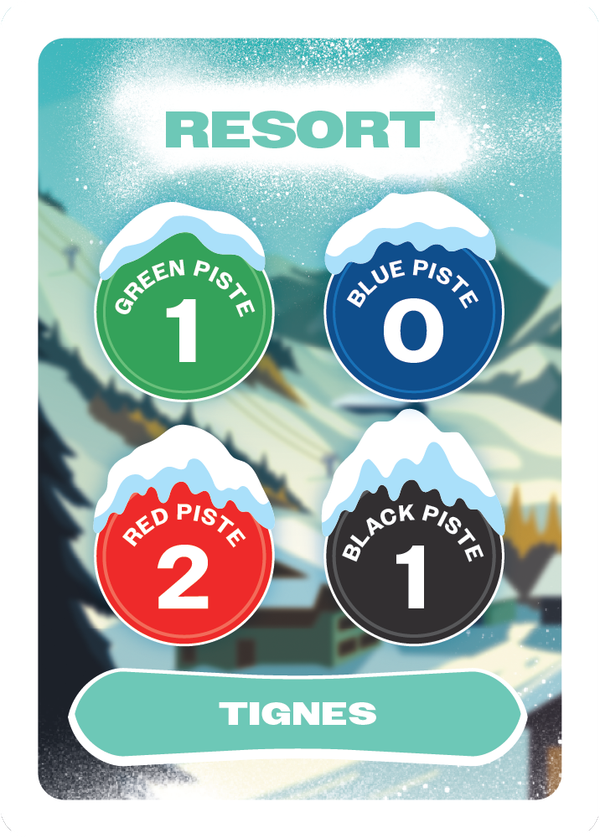
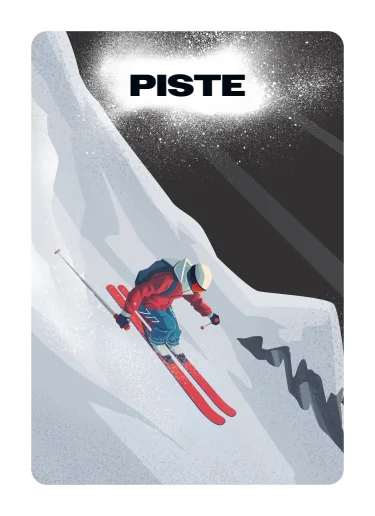
Tignes' Ready Steady Slope Resort card leans into the resort's bold reputation: one green, no blues, two reds and a black. The real mountain is broader than that — the Espace Killy grooms just as many blues as reds, and Tignes has taught plenty of first-timers on its glacier-fresh snow — but every card in the deck needs a personality, and Tignes' is its appetite for the steep stuff: the sustained reds, the blacks and the legendary off-piste that make the Grande Motte sector so compelling.
At the table, the Tignes card is a bold, high-commitment play. Like choosing Tignes for a ski holiday, it rewards confidence and ambition over caution. That red-and-black combination makes it a strong card for players willing to lean into the harder end of the piste spectrum — and a genuine test for those who find themselves holding it with a hand that needs something gentler.
The Real Tignes
That reliability, combined with enormous, open terrain, has made Tignes a favourite of serious skiers for decades. Together with neighbouring Val d'Isère, it forms the Espace Killy — a combined ski domain of around 300 km of pistes that is consistently ranked among the best ski areas in the world. Yet Tignes has its own distinct character: less polished than its glamorous neighbour, more functional and uncompromisingly focused on the skiing itself. The result is a resort that attracts those who want maximum time on snow over sleek village aesthetics.
High altitude and all-season snow
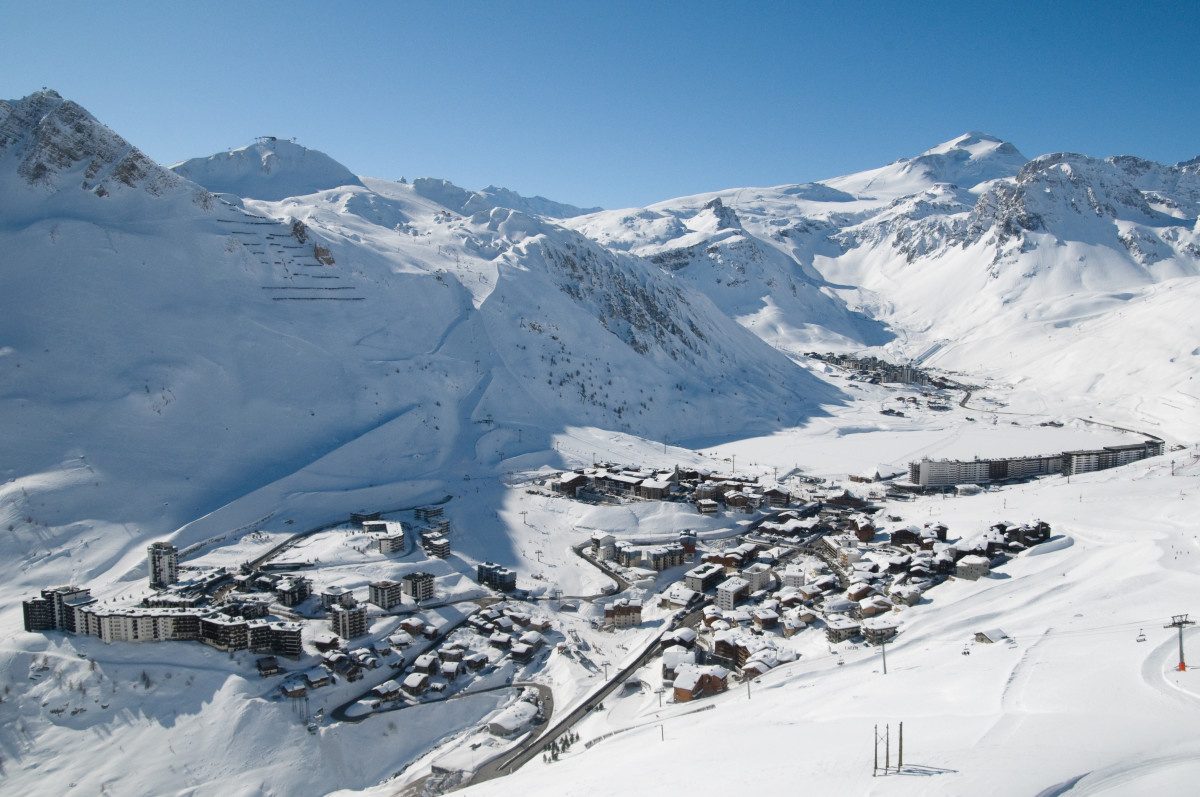
What sets Tignes apart from almost every other French resort is altitude. The five villages that make up the resort — Val Claret, Le Lac, Les Boisses, Les Brevières and Tignes 1800 — all sit between 1,550 and 2,100 metres. The Grande Motte funicular, burrowing through the mountain to emerge at 3,456 metres, serves glacier pistes that are skiable even in summer.
That altitude means Tignes is among the most snow-sure resorts in the Alps: natural snowfall arrives early and lingers late, and the glacier provides a backstop even in lean winters. For skiers who have been burned by poor conditions in lower-lying resorts, Tignes is a reliable choice regardless of the season.
The terrain & skiing
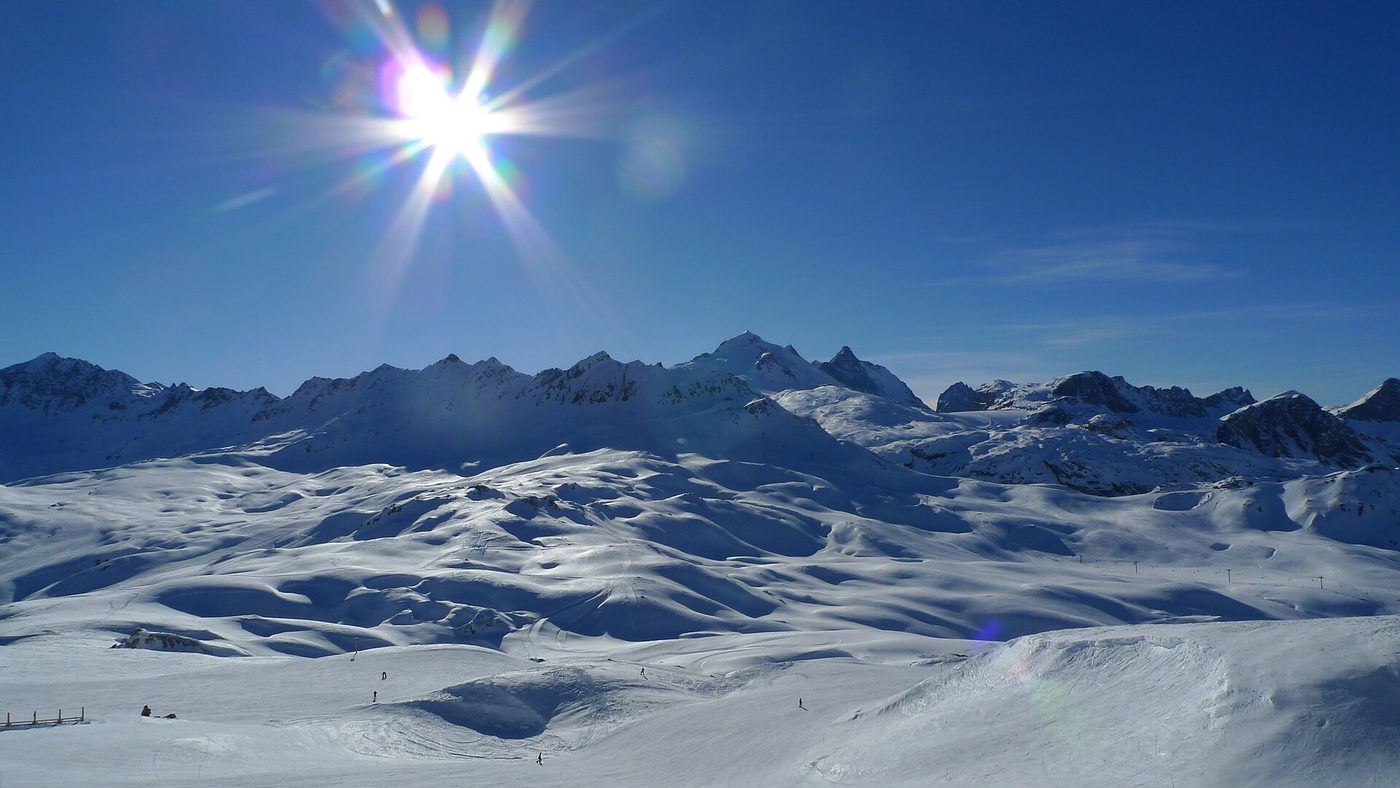
Within the Tignes-only ski area there are around 80 marked pistes — roughly 20 green, 27 blue, 27 red and 6 black — covering approximately 150 km of groomed runs. That relatively even split between blues and reds makes Tignes an excellent mountain for confident intermediates, but the long, open cruisers and the off-piste potential in the bowls above the village keep experts equally engaged.
The full Espace Killy pass brings Val d'Isère into play, roughly doubling the available terrain. Across both resorts the combined area runs to around 300 km of pistes and some of the best freeriding in France, including the famous Face de Bellevarde and the off-piste routes through the couloirs above the Grande Motte. For a week's skiing, the combined domain offers seemingly limitless variety.
Tignes is also home to some of the best freestyle terrain in the Alps: the Snow Park in Val Claret draws park skiers and snowboarders from across Europe, and the consistently cold temperatures at altitude mean features hold their shape well throughout the season.
The villages & resort life
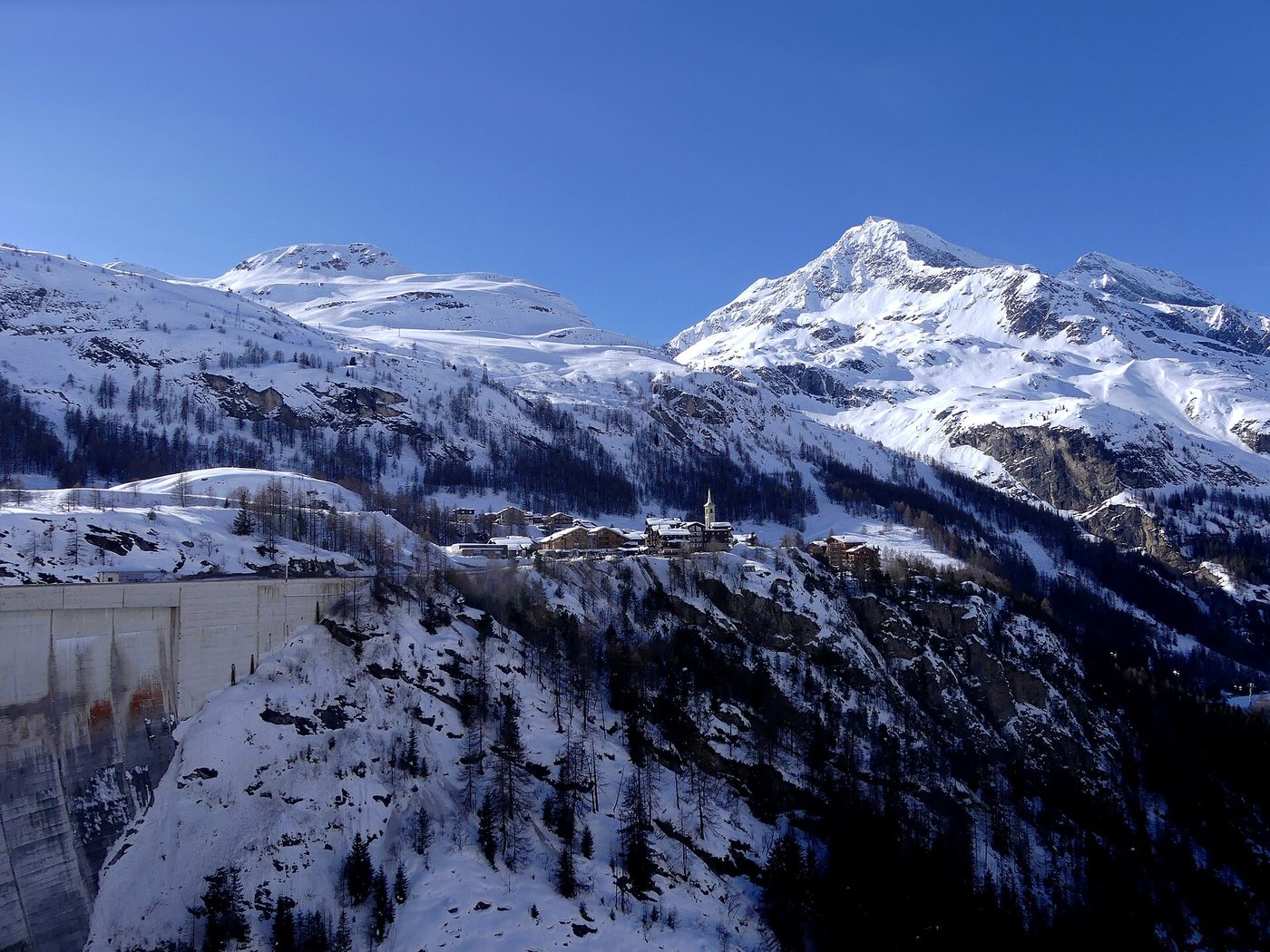
Tignes is not a picture-postcard Alpine village — the main developments at Val Claret and Le Lac were built in the 1960s with function over form in mind, and the architectural legacy shows. But what the resort lacks in charm it more than compensates for in practicality: ski-in, ski-out access from virtually every accommodation, an efficient lift system and a compact, easy-to-navigate layout.
The exception is Tignes 1800 and Les Brevieres lower down the valley: both retain genuine old Savoyard character, with stone buildings, a church and a far quieter atmosphere than the upper villages. For those willing to commute slightly higher each morning, these lower villages offer an authentic slice of Tarentaise life alongside access to one of the world's great ski areas.
Where is Tignes?
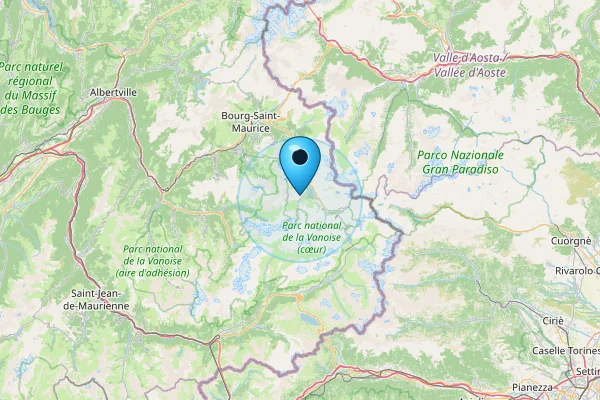
French Alps, France
How to get there
| Nearest airport | Transfer time (by road) |
|---|---|
| 🇫🇷Chambéry (CMF) | ~2 hr |
| 🇨🇭Geneva (GVA) | ~2 hr 30 min |
| 🇫🇷Lyon (LYS) | ~2 hr 45 min |
Graded runs at Tignes
The in-game Resort card is a stylized approximation — here are Tignes's actual marked pistes by grade.
| Grade | Runs |
|---|---|
| Green (beginner) | 20 |
| Blue (easy) | 27 |
| Red (intermediate) | 27 |
| Black (advanced) | 6 |
| Total | 80 |
Quick facts
Ready to hit the slopes?
With our game you can bring Tignes to your table. Click below to find out where to buy, or visit the actual resort. Or even better… do both, and pack the cards for the après!